Softgel Capsules Third-Party Manufacturing: What Brands Must Know
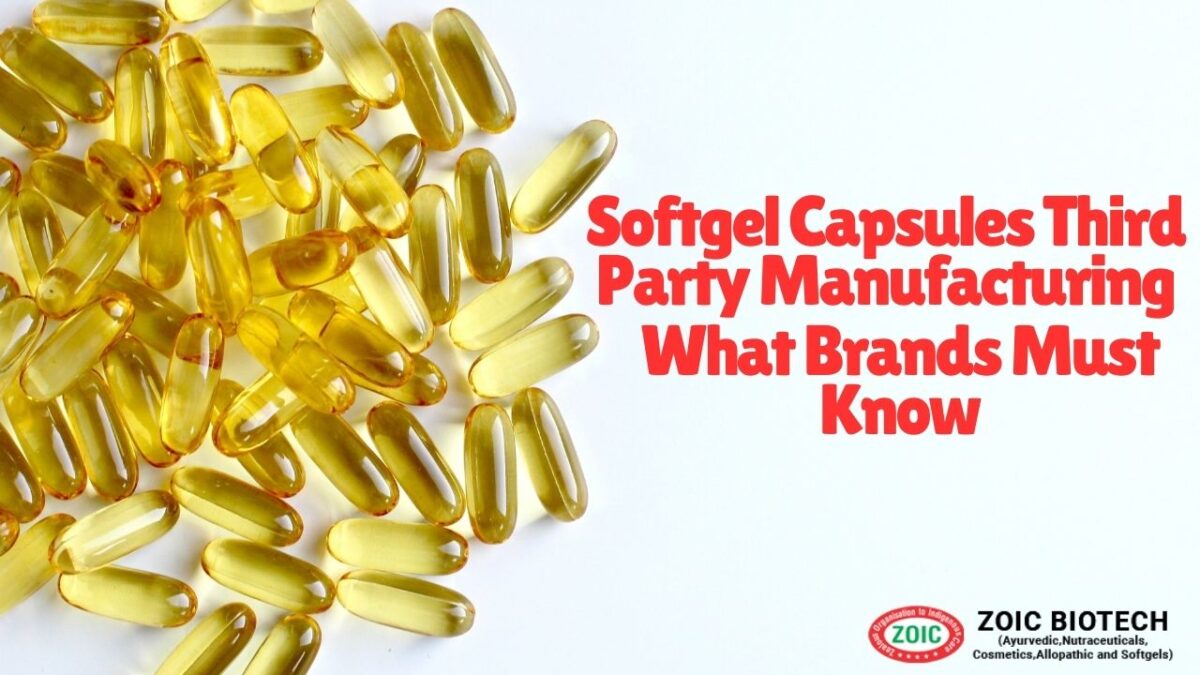
Softgel capsules have become one of the most preferred dosage forms in the nutraceutical and wellness industry. Their smooth texture, easy swallowability, precise dosing, and high bioavailability make them especially popular among consumers seeking daily health supplements. For brands, however, manufacturing softgels in-house requires heavy investment, technical expertise, and strict regulatory control. This is why many growing and established brands choose third-party manufacturing to scale efficiently and responsibly.
This blog explains everything brands must know before opting for softgel capsules third-party manufacturing, from quality standards and formulation control to compliance, scalability, and long-term brand credibility.
Why Softgel Capsules Are in High Demand
Softgel capsules offer several advantages over traditional tablets and hard capsules:
- Better absorption for fat-soluble nutrients
- Faster onset of action
- Masking of unpleasant taste or odor
- Premium look and consumer appeal
Because of these benefits, softgels are widely used for vitamins, omega fatty acids, herbal extracts, probiotics, and specialty wellness formulations. This growing demand makes softgels a strategic product category for nutraceutical brands.
What Is Softgel Capsules Third-Party Manufacturing?
Third-party manufacturing means outsourcing the production of softgel capsules to a specialized manufacturer that already has:
- Advanced softgel encapsulation facilities
- Trained technical staff
- Quality control laboratories
- Regulatory approvals
The brand focuses on formulation strategy, branding, marketing, and distribution, while the manufacturer handles production, testing, and packaging as per agreed specifications.
Key Factors Brands Must Evaluate Before Partnering
1. Manufacturing Infrastructure and Technology
Softgel production is technically complex. A reliable manufacturer should have:
- Controlled temperature and humidity environments
- Automated encapsulation and sealing machines
- In-house gelatin preparation and drying tunnels
Outdated or manual processes can affect capsule consistency and shelf life.
2. Quality Control and Testing Standards
Quality is a major trust factor for nutraceutical brands. Ensure the manufacturer follows:
- Raw material testing
- In-process quality checks
- Finished product analysis (disintegration, dissolution, stability)
Partnering with the best nutraceutical manufacturer in India often means access to globally aligned quality systems and documented batch traceability.
3. Regulatory Compliance and Certifications
Compliance is non-negotiable. The manufacturer should adhere to:
- FSSAI guidelines
- GMP or WHO-GMP standards
- Proper labeling and documentation norms
This protects your brand from legal risks and builds long-term consumer confidence.
Formulation Control and Customization
One of the biggest advantages of third-party manufacturing is formulation flexibility. Brands can:
- Develop proprietary blends
- Choose vegetarian or non-vegetarian softgel shells
- Optimize dosage strength and absorption enhancers
However, brands should clearly define ownership of formulations and confidentiality clauses to protect intellectual property.
Scalability and Supply Consistency
As demand grows, the ability to scale production quickly becomes critical. An experienced manufacturer can:
- Increase batch sizes without quality variation
- Ensure consistent raw material sourcing
- Maintain reliable delivery timelines
This consistency helps brands avoid stock shortages and market disruption.
Cost Efficiency Without Compromising Quality
Setting up a softgel manufacturing unit involves high capital investment, skilled manpower, and ongoing compliance costs. Third-party manufacturing allows brands to:
- Reduce upfront investment
- Convert fixed costs into variable costs
- Focus budgets on marketing and brand building
When managed correctly, this model improves profitability while maintaining product standards.
Packaging, Labeling, and Brand Presentation
Packaging plays a key role in consumer perception. A capable manufacturing partner should support:
- Multiple packaging formats (blister, bottle, bulk)
- Compliance-ready labeling
- Shelf-life optimization
Clear communication between brand and manufacturer ensures packaging aligns with brand positioning and regulatory norms.
Common Mistakes Brands Should Avoid
- Choosing manufacturers based only on low cost
- Ignoring audit reports and documentation
- Overlooking the formulation of ownership agreements
- Compromising on testing and stability studies
Long-term brand value depends more on quality and trust than short-term savings.
If you’re planning to launch or scale softgel-based nutraceutical products, choosing the right third-party manufacturing partner is a strategic decision, not just an operational one. Focus on quality systems, regulatory compliance, formulation transparency, and scalability to build a brand that earns lasting consumer trust.
Partner with a reliable softgel manufacturer to ensure consistent quality, regulatory safety, and long-term growth for your nutraceutical brand.
Frequently Asked Questions
- Why should brands choose third-party manufacturing for softgels?
Because softgel production requires specialized technology, high investment, and strict quality control, third-party manufacturers already have. - Can brands create custom softgel formulations?
Yes. Most manufacturers offer formulation customization, but ownership terms should be clearly defined. - Are third-party-manufactured softgels safe and compliant?
They are safe when produced by certified manufacturers following GMP and FSSAI standards. - How long does it take to start production?
Timelines depend on formulation complexity and approvals, but third-party manufacturing is significantly faster than setting up in-house facilities. - Is this model suitable for new nutraceutical brands?
Yes. It allows new brands to enter the market quickly with lower risk and professional manufacturing support.