Trusted Softgel Third-Party Pharma Manufacturing in Bengaluru, Karnataka
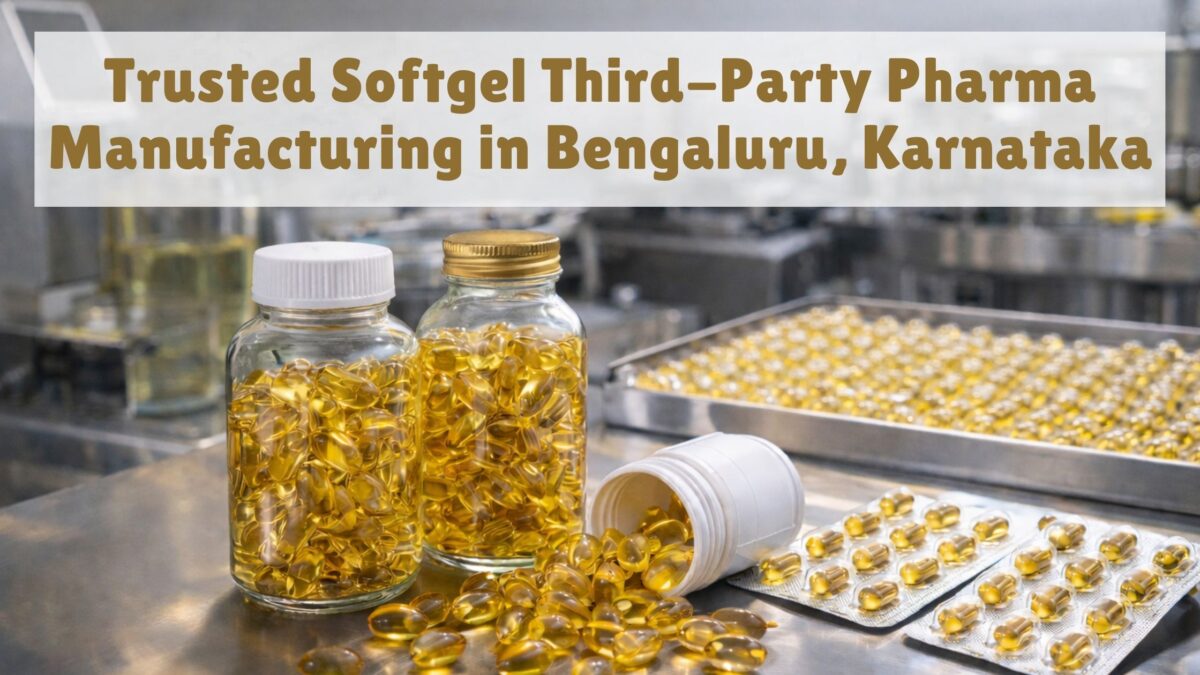
The nutraceutical and pharmaceutical industries are growing rapidly as consumers focus more on preventive healthcare, wellness, and nutritional support. Among different dosage forms, softgel capsules have become highly popular because they are easy to swallow, provide better absorption, and protect sensitive ingredients effectively. Softgels are widely used for vitamins, omega supplements, herbal extracts, antioxidants, and specialty nutrition products.
However, manufacturing softgels requires advanced technology, specialized machinery, skilled professionals, and strict quality control systems. Because of this complexity, many businesses prefer softgel third-party manufacturing services instead of building their own facilities. In Bengaluru, Karnataka, companies can collaborate with experienced manufacturers to produce high-quality softgel products under their own brand name.
This approach reduces investment risk and allows companies to focus on branding, marketing, and distribution.
Understanding Softgel Third-Party Manufacturing
Third-party manufacturing means outsourcing production to a certified company that manufactures products for your brand. The manufacturer manages formulation development, ingredient sourcing, production, packaging, labeling, and testing.
This model is widely accepted because it ensures professional manufacturing standards and regulatory compliance. According to global health authorities, maintaining proper manufacturing practices is essential to ensure product safety, stability, and effectiveness [1].
Why Bengaluru is a Strategic Business Location?
Bengaluru is one of India’s leading technology and healthcare hubs. The city offers strong infrastructure, a skilled workforce, and excellent connectivity, making it an attractive location for pharmaceutical and nutraceutical businesses.
Key advantages include:
- Access to skilled professionals and scientists
- Advanced logistics and transportation network
- Strong healthcare and biotech ecosystem
- Growing demand for health supplements
- Connectivity to national and international markets
These factors make Bengaluru a favorable region for third-party manufacturing partnerships.
Types of Softgel Products Manufactured
Professional manufacturers can produce a wide range of softgel formulations based on market demand and brand requirements.
Common softgel categories include:
- Omega-3 and fish oil supplements
- Multivitamin softgels
- Herbal extract softgels
- Vitamin D and calcium supplements
- Antioxidant formulas
- Immunity support supplements
- Joint health and bone support products
- Nutritional specialty formulations
Customization options allow businesses to create unique products with specific ingredients, dosages, and packaging designs.
Importance of Quality Ingredients and Technology
Softgel capsules require precise formulation and controlled production conditions. The quality of ingredients directly impacts absorption, stability, and effectiveness.
Important factors include:
- High-purity raw materials
- Stable oil or liquid formulations
- Accurate nutrient dosage
- Controlled temperature and humidity
- Oxygen protection for sensitive ingredients
The World Health Organization highlights that standardized production and quality testing reduce contamination risks and improve consumer safety [2].
Advanced Softgel Manufacturing Process
Modern manufacturing facilities use automated systems to ensure consistency and quality throughout production.
Key steps include:
- Preparation of gelatin shell material
- Filling of active ingredients
- Encapsulation process
- Drying and shaping
- Inspection and polishing
- Packaging and labeling
Following Good Manufacturing Practices ensures hygiene, accuracy, and uniformity during production [3].
About Zoic Biotech’s Manufacturing Expertise
Zoic Biotech is a Mohali-based pharmaceutical and nutraceutical company with more than 25 years of industry experience and pan-India service reach. The company offers reliable third-party manufacturing services across multiple dosage forms, including softgels, capsules, tablets, powders, syrups, and gummies.
Key Strengths of Zoic Biotech
- GMP & GLP manufacturing collaboration
- ISO certified quality systems
- Wide range of products approved by DCGI
- State-of-the-art manufacturing infrastructure
- Spacious warehouses and an efficient logistics network
- Skilled research and development team
- Customized formulation and packaging solutions
- Strict quality assurance and testing processes
The company focuses on innovation, compliance, and long-term partnerships to support business growth across India.
Benefits of Choosing Softgel Third-Party Manufacturing
Partnering with an experienced manufacturer offers multiple advantages:
Cost Efficiency
No need to invest in expensive machinery or facilities.
Faster Product Launch
Professional support enables quick product development and market entry.
Technical Expertise
Access to scientists, quality experts, and regulatory professionals.
Scalability
Production volume can increase as demand grows.
Consistent Quality
Certified manufacturing ensures reliable product performance.
Working with the best nutraceutical manufacturer ensures strong quality assurance and brand credibility. Companies offering multiple dosage capabilities are often recognized as the best softgel manufacturers, providing flexibility for future expansion.
Safety, Compliance, and Consumer Trust
Consumer confidence depends on product safety, quality, and transparency. Responsible manufacturers follow ethical sourcing, regulatory compliance, and strict testing protocols to ensure safe supplements.
Health authorities recommend choosing products manufactured under certified facilities to ensure safety and effectiveness [1].
Brands that prioritize compliance and quality gain long-term trust and market reputation.
Start Your Softgel Manufacturing Journey Today
If you are planning to launch or expand your softgel supplement range, choosing the right manufacturing partner is essential. From formulation to packaging and delivery, professional support ensures smooth operations and consistent product quality.
For businesses seeking trusted expertise, advanced facilities, and regulatory compliance, partnering with experienced professionals makes a significant difference. To build your brand with confidence and quality assurance, contact the best nutraceutical manufacturer in India and start your product development journey today.
To explore more, you can also check our group websites: Zoicayurveda for 3rd party Ayurvedic and herbal cosmetic manufacturing, Biozoc for allopathic and drug PCD franchise opportunities, and Zocveda for Ayurvedic and herbal PCD franchise solutions.
Frequently Asked Questions
Q1. What is softgel third-party manufacturing?
It is a process where a company outsources softgel production to a certified manufacturer that produces products under the company’s brand name.
Q2. Are softgel supplements safe?
Yes, when manufactured under GMP-certified facilities and quality standards, softgels are safe for consumption.
Q3. What is the minimum order quantity?
Minimum order quantity depends on formulation and manufacturer policies.
Q4. Can I customize softgel formulations?
Yes, most manufacturers provide customization options for ingredients, dosage, and packaging.
Q5. How long does production take?
Manufacturing timelines vary depending on product complexity and quantity.
Medical Disclaimer
This content is for informational purposes only and does not replace professional medical advice, diagnosis, or treatment. Nutraceutical supplements should be used under qualified healthcare guidance when required. Always follow AYUSH and WHO recommendations for safe usage.
References
[1] Ministry of AYUSH – Guidelines for Herbal and Nutraceutical Products
[2] World Health Organization – Quality Control Methods for Herbal Materials
[3] World Health Organization – Good Manufacturing Practices (GMP) Guidelines